
The financial landscape is undergoing a systemic transformation. For decades, traditional capital markets have operated on legacy infrastructure—reliant on intermediaries, paper-based legal frameworks, and siloed databases that create friction, delay settlements, and restrict access. Today, a technological paradigm shift is sweeping through the financial sector, promising to modernize how value is created, transferred, and stored. At the center of this evolution is Asset Tokenization, a process that merges the tangible world of physical assets with the digital frontier of blockchain technology.
As highlighted by recent macroeconomic studies from global institutions like the International Monetary Fund (IMF) and technological frameworks developed by distributed ledger networks like Hedera Hashgraph, asset tokenization is no longer a fringe concept relegated to cryptocurrency enthusiasts. It has firmly entered the mainstream, capturing the attention of central banks, enterprise financial institutions, and global regulatory bodies.
But what exactly is asset tokenization? Why are sovereign entities and multinational investment banks investing heavily in distributed ledger technology (DLT)? This comprehensive guide demystifies the mechanics of tokenizing real-world assets (RWAs), explores the profound implications for global liquidity, and deciphers the emerging trends reshaping payments and market infrastructure.
Decoding Asset Tokenization: The Technology Behind the Trend
To grasp the magnitude of this financial innovation, we must first define the core mechanics. Asset tokenization is the process of converting the ownership rights of a physical or digital asset into digital tokens on a blockchain or distributed ledger. These tokens act as verifiable, immutable digital certificates that represent either complete or fractional ownership of the underlying asset.
Unlike traditional databases where a central authority controls the ledger, blockchain technology ensures that once a token is minted and purchased, the ownership record is cryptographically secured across a decentralized network. No single entity can unilaterally alter, erase, or manipulate this record. This immutability builds a foundation of trust that is critical for institutional finance.
The assets that can be tokenized span a massive spectrum. From commercial real estate, corporate bonds, and fine art to intellectual property, investment funds, and commodities—virtually any item of value can be digitized. Furthermore, tokenization is not creating a new, highly speculative asset class; rather, it is a modern, highly efficient vehicle for managing and exchanging traditional, real-world assets. The value of a tokenized building is derived strictly from the building’s market value and rental yield, not from the speculative volatility often associated with unbacked cryptocurrencies.
The Three-Layer Architecture of Tokenized Finance
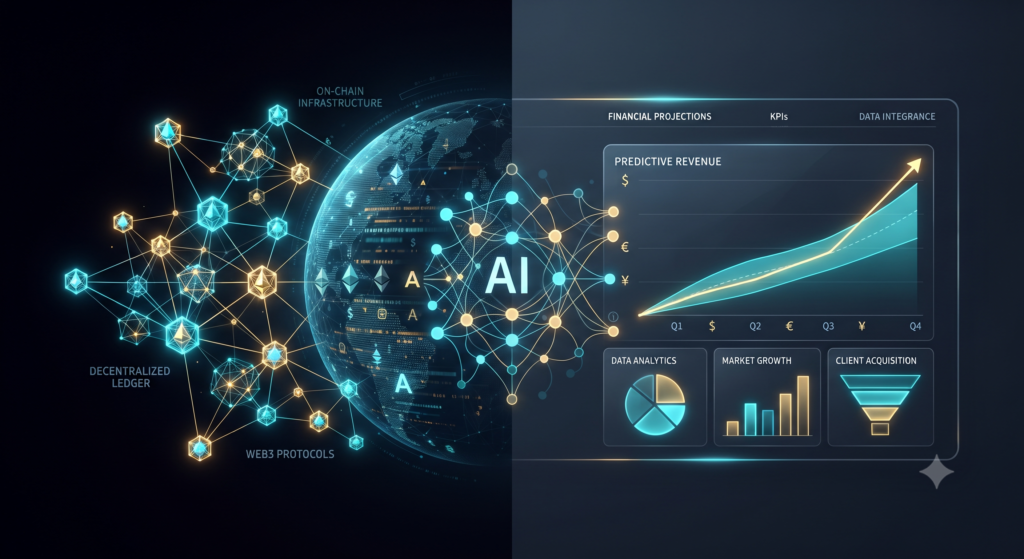
According to recent analytical notes published by the IMF, the burgeoning tokenized economy can be understood through a three-layer framework: infrastructure, assets, and services. Understanding this architecture is essential for realizing how tokenization differs from legacy financial systems.
- The Infrastructure Layer: This is the underlying foundational network—the blockchain or distributed ledger (such as Ethereum, Hedera Hashgraph, or private enterprise chains) where transactions are recorded and validated. A key debate in this layer revolves around governance: will the future of finance run on permissionless (public) networks where anyone can validate transactions, or permissioned (private/hybrid) networks controlled by regulated financial institutions?
- The Asset Layer: This layer consists of the digital tokens themselves and the legal representations they carry. It includes tokenized real-world assets (like fractional shares of real estate) as well as the digital money used to purchase them, such as tokenized bank deposits or regulated stablecoins.
- The Services Layer: This involves the user-facing applications, digital wallets, and decentralized finance (DeFi) protocols that allow investors to interact with the assets. Through smart contracts—self-executing code stored on the blockchain—services like trading, lending, and atomic settlements are automated without the need for traditional brokers or clearinghouses.
One of the most revolutionary features enabled by this architecture is «atomicity.» In traditional finance, purchasing an asset involves multiple steps executed by different intermediaries over several days (e.g., T+2 settlement). Atomic settlement ensures that the transfer of the asset and the payment occur simultaneously as a single, indivisible digital event. If one part of the transaction fails, the entire sequence is reverted, eliminating counterparty risk.
The Mechanics: How Real-World Assets Become Digital Tokens
The transition from a physical asset to a tradable digital token is not merely a technological process; it requires rigorous legal and financial structuring to ensure regulatory compliance and investor protection. The National Payments Corporation of India (NPCI) and other leading financial bodies outline a meticulous lifecycle for tokenization:
- Asset Evaluation and Valuation: The process begins by identifying an asset suitable for tokenization. Independent auditors and valuation experts assess the asset’s market worth, physical condition, and legal standing to ensure it holds tangible value.
- Legal and Regulatory Structuring: This is arguably the most critical step. A robust legal framework must be established to connect the digital token to the physical asset legally. This often involves creating a Special Purpose Vehicle (SPV) or a trust that holds the physical asset. The SPV then issues tokens that legally represent shares or rights to the asset’s economic benefits. This ensures that token holders have enforceable rights in the real world.
- Token Creation and Issuance: Once the legal framework is solidified, smart contracts are programmed and deployed on a selected blockchain network. These contracts define the rules of the token—such as total supply, dividend distribution mechanisms, and compliance restrictions (e.g., restricting sales to verified, KYC-approved investors). The tokens are then minted and offered to investors.
- Secondary Market Trading: After issuance, the tokens can be traded on digital asset exchanges. Because the blockchain operates 24/7, these tokens can be bought and sold globally, at any time, outside of traditional banking hours.
The Transformative Benefits for Issuers and Investors
The rapid adoption of asset tokenization is driven by its ability to solve long-standing inefficiencies in traditional capital markets. The benefits are profound for both the entities issuing the assets and the investors purchasing them.
Democratization through Fractional Ownership
Historically, investing in premium assets—such as a $50 million commercial skyscraper or a rare piece of fine art—was exclusively reserved for institutional investors or ultra-high-net-worth individuals. Asset tokenization shatters this barrier through fractionalization. A $50 million property can be divided into 50 million tokens, each priced at $1. This allows retail investors to participate in lucrative, previously inaccessible markets, fostering wealth democratization and capital formation.
Unlocking Liquidity in Illiquid Markets
Many real-world assets suffer from severe illiquidity. Selling a piece of commercial real estate or a private equity stake can take months or years, involving complex negotiations, endless paperwork, and hefty broker fees. Because illiquid assets are hard to sell, they often trade at a discount. By converting these assets into divisible digital tokens traded on global, 24/7 exchanges, tokenization injects massive liquidity into stagnant markets, allowing investors to exit positions swiftly and asset owners to realize fair market prices.
Enhanced Transparency and Security
In legacy systems, tracking the provenance and ownership history of an asset requires reconciling multiple, often conflicting, siloed databases. Blockchain provides a single, immutable source of truth. Every transaction, transfer, and dividend payment is permanently recorded on the public ledger. This radical transparency mitigates fraud, simplifies auditing processes, and builds unprecedented trust among participants. Furthermore, the integration of Decentralized Identifiers (DIDs) ensures that all participants meet strict Anti-Money Laundering (AML) and Know Your Customer (KYC) compliance standards while maintaining digital privacy.
Operational Efficiency and Reduced Costs
By replacing manual administrative processes and intermediaries (like clearinghouses, escrow agents, and registrars) with automated smart contracts, tokenization drastically reduces the overhead costs of managing an asset. Corporate actions, such as distributing rental income to 10,000 fractional owners of a building, can be executed automatically and instantaneously by the smart contract at virtually zero marginal cost.
Real-World Use Cases: Institutional Adoption is Here
Asset tokenization has moved far beyond theoretical whitepapers; it is actively being deployed by some of the largest financial institutions globally.
- Real Estate Fractionalization: In 2018, the St. Regis Aspen Resort became a pioneer in real estate tokenization when it offered $18 million worth of digital tokens representing fractional ownership of the luxury property. This allowed accredited investors to gain exposure to premium real estate while bypassing traditional REIT structures.
- Tokenized Investment Funds: In 2024, BlackRock, the world’s largest asset manager, launched its BUIDL fund on the Ethereum blockchain. This tokenized money market fund combines traditional financial yields with the speed and composability of decentralized finance, marking a massive milestone in institutional blockchain adoption.
- Fine Art Democratization: Sygnum Bank successfully tokenized a Picasso masterpiece, dividing the ownership into 4,000 digital tokens. This enabled a diverse group of investors to own a fraction of a culturally and financially significant asset, illustrating how tokenization can bring liquidity to the highly exclusive art market.
- Enterprise and Sovereign Applications: Distributed ledger networks like Hedera are being utilized by global enterprises to tokenize supply chain assets, carbon credits, and corporate debt, leveraging the network’s high throughput, low fees, and robust governance council.
Navigating the Challenges: Regulation and Infrastructure
Despite the overwhelming potential, the path to global tokenization is not without friction. As the IMF rightly points out, policymakers face complex challenges in regulating this rapidly evolving landscape without stifling innovation.
The primary hurdle is regulatory uncertainty. For tokenization to scale globally, there must be a harmonized legal framework that universally recognizes digital tokens as enforceable representations of physical ownership across different international jurisdictions. Currently, regulatory approaches vary wildly from country to country.
Furthermore, infrastructural interoperability remains a technical challenge. If a tokenized bond is issued on one blockchain, but the investor holds their capital on a different network, transferring value requires complex cross-chain bridges, which historically have been vulnerable to cyberattacks. Building secure, interoperable architectures where diverse blockchains and legacy banking systems can communicate seamlessly is a top priority for developers and financial engineers.
Conclusion: The Future of Digital Capital
Asset tokenization is fundamentally rewiring the plumbing of global finance. By bringing real-world assets on-chain, the financial industry is moving toward a future characterized by radical transparency, instant liquidity, and democratized access. While regulatory and technical hurdles remain, the momentum driven by both agile fintech startups and colossal institutional incumbents suggests that tokenization is not a fleeting trend, but the inevitable evolution of capital markets.
Community Perspective: What Are Your Thoughts?
The shift toward tokenized assets represents one of the most significant changes to property rights and investment in modern history.
How do you view the rise of fractional ownership? Would you feel comfortable holding a digital token that represents a fraction of a commercial building or a piece of fine art, or do you prefer traditional financial instruments? What do you believe is the biggest hurdle to widespread adoption—regulatory clarity, technological trust, or simply market education?
Share your insights and experiences in the comments below! We are building a community of forward-thinking data and finance professionals, and your perspective is invaluable.
Frequently Asked Questions (FAQ) About Asset Tokenization
1. Is a tokenized asset the same as a cryptocurrency? No. While both utilize blockchain technology, they serve different purposes. Cryptocurrencies like Bitcoin are natively digital, decentralized currencies whose value is largely driven by market supply and demand. A tokenized asset (a security token) is a digital representation of a tangible, real-world asset (like a house or a bond). Its value is directly tied to the underlying physical asset, not speculative market dynamics.
2. How does tokenization improve market liquidity? Traditional assets like real estate or private equity are «illiquid» because they are expensive, require complex legal transfers, and have a limited pool of buyers. Tokenization divides these assets into affordable fractional shares and allows them to be traded instantly on global, 24/7 digital exchanges, vastly increasing the number of potential buyers and the speed of transactions.
3. What happens to my tokens if the blockchain network goes offline? Enterprise-grade blockchains are decentralized distributed ledgers, meaning the data is hosted across thousands of independent nodes globally. It is virtually impossible for the entire network to «go offline.» Furthermore, regulated tokenization involves robust legal frameworks; the SPV or trust holds the physical asset and a legal registry of token holders. Even in a catastrophic digital event, your legal ownership rights to the underlying asset remain intact.
4. Can anyone buy tokenized assets? It depends on the regulatory framework of the specific token. Because many tokenized assets are classified as securities, issuers must comply with strict financial regulations. This often requires buyers to undergo Know Your Customer (KYC) identity verification. Some high-yield tokenized funds may still be restricted to «accredited investors,» though the technology inherently makes it easier to lower these barriers eventually.
5. What is the role of smart contracts in tokenization? Smart contracts are self-executing programs stored on the blockchain. In asset tokenization, they automate administrative processes. For example, a smart contract can automatically calculate the monthly rental income of a tokenized building and instantly distribute the correct fractional dividend directly into the digital wallets of 10,000 different token holders, eliminating the need for human accountants and escrow services.