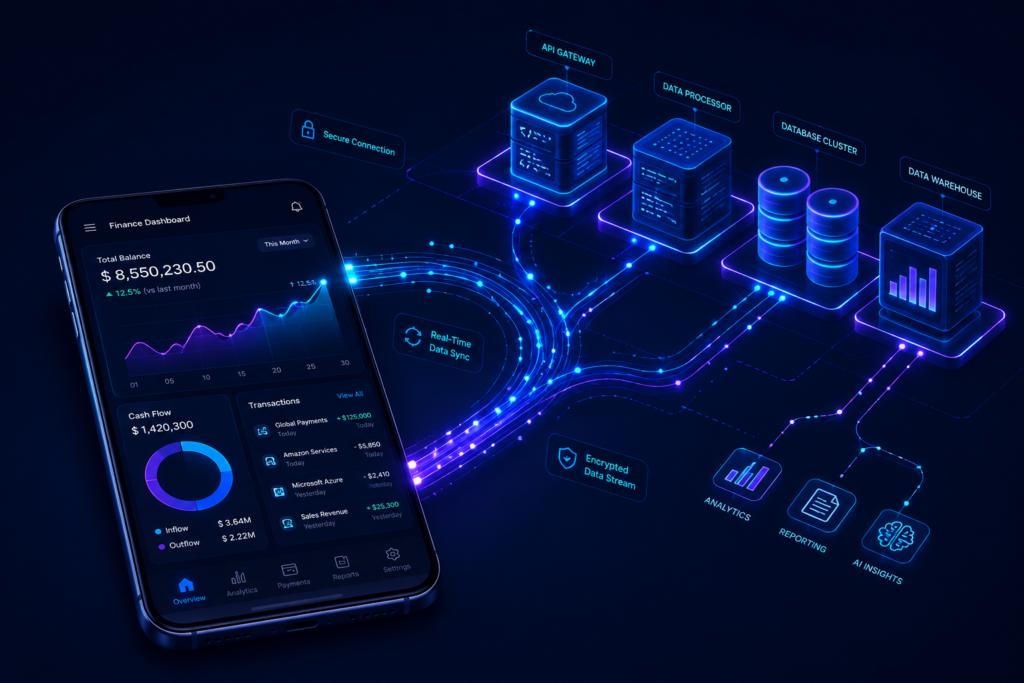
The era of «screen scraping»—where third-party financial applications asked users for their bank passwords to log in and extract transaction data—was a security nightmare and an operational liability. The financial technology sector has aggressively phased out this practice in favor of Open Banking Ledger Protocols, a standardized, secure framework for financial data interoperability.
This article details the technical standards, authorization flows, and operational capabilities of open banking protocols that allow seamless integration between corporate ledgers, financial institutions, and third-party software.
1. The Death of Screen Scraping and the Rise of FAPI
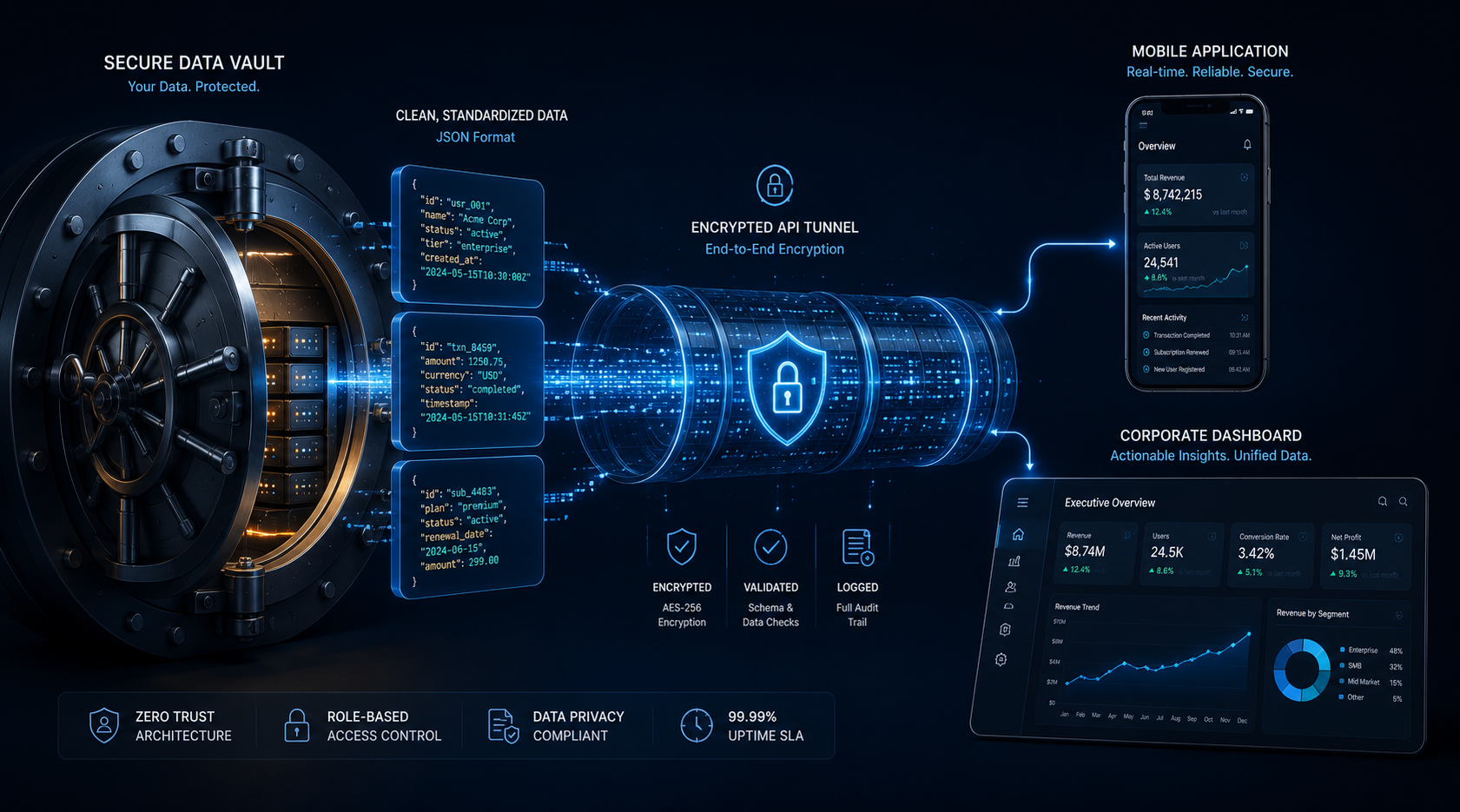
Open banking relies on Application Programming Interfaces (APIs) built upon rigorous security standards, most notably the Financial-grade API (FAPI) profile. FAPI is a highly secure implementation of the OAuth 2.0 authorization framework and OpenID Connect, designed specifically to protect highly sensitive financial data during transmission.
Tokenized Access
Under these protocols, the user’s banking credentials are never shared with the third-party application. Instead, the user is redirected to their bank’s secure portal to authenticate. Once authorized, the bank issues a cryptographic token to the application. This token grants the application limited, read-only access to specific ledger data for a designated period, after which it expires. The user can revoke this token at any time without changing their passwords.
2. Standardized Ledger Interoperability
One of the greatest challenges in financial data analytics is the lack of standardization. Different banks use different nomenclature for transactions. Open banking protocols mandate standardized data formatting (often utilizing JSON payloads).
When an application connects to multiple bank APIs via an open banking aggregator (such as Plaid or Tink), the aggregator normalizes the raw data. A transaction from Bank A and a transaction from Bank B are parsed into an identical, structured format. This standardized ledger data can then be seamlessly ingested into corporate ERPs, accounting software, or mobile applications.
3. Applications in Corporate Finance and App Development
Open banking protocols have unlocked massive potential for cash management and software development:
- Automated Reconciliation: Corporate accounting systems can connect directly to bank ledgers, automatically pulling daily transaction feeds to reconcile against internal cash flow models, eliminating manual data entry.
- Personal and Corporate Finance Apps: Developers can build highly accurate budgeting tools. Because the data feed is direct and standardized, developers can focus on building the logic—such as configuring functional parameters, color-coding expense criteria, and mapping structural financial goals—rather than worrying about how to extract the raw data.
💬 Interactive Perspective: Architecting Financial Tools
When conceptualizing and programming functional parameters for a customized budgeting application, ensuring the raw data accurately maps to your specific expense criteria is the hardest part. How important is it to have clean, standardized ledger data when trying to replicate the precision of a personal Excel spreadsheet layout inside a mobile app environment?
4. Frequently Asked Questions (FAQ)
Are open banking APIs strictly for «read-only» data extraction? Historically, yes. However, modern open banking frameworks (like PSD2 in Europe) include Payment Initiation Services (PIS). This allows authorized third-party applications to initiate a bank transfer or payment directly from the user’s account via the API, bypassing traditional credit card networks.
How is data privacy maintained under open banking protocols? Data privacy is enforced strictly by the user’s explicit consent. Open banking protocols require Strong Customer Authentication (SCA) and clear consent dashboards. The APIs only transmit the exact data fields the user has authorized (e.g., account balance, but not transaction history), ensuring strict compliance with regulations like GDPR.